




.svg)

Corn flour (and polenta, cornmeal mush, or grits) is one of those foods that raises a lot of questions for people with diabetes.
Is this flour a good choice for a diabetes-friendly diet, or does it belong among the foods to avoid?
At first glance it seems like a natural, wholesome, homemade ingredient. As with many other grains, though, everything depends on processing, quantity, preparation, and what you combine it with.
Below is what we know with reasonable confidence, based on recent scientific sources. We'll also look at how polenta might become part of your eating plan.
Key takeaways on corn flour and diabetes
- Corn flour has a high glycemic index, so it can raise blood sugar quickly, especially eaten alone or without fiber, fat, and protein.
- Whole corn flour is generally a better choice, since it contains more fiber and has a milder effect on glucose.
- The preparation method makes a big difference. Cooked, cooled, and reheated polenta contains more resistant starch and behaves more favourably.
- Fried corn products (chips, puffs, snacks) are best avoided, because they raise blood sugar quickly and offer little nutritional value.
- Adding fiber, healthy fats, and protein to corn-based meals helps slow glucose absorption and reduces the glycemic spike.
- A portion of 1/2 cup of cooked polenta is considered safe for most people with diabetes, as part of a balanced meal.
- People with type 1 diabetes need extra care, because corn flour acts fast while insulin can lag behind. Pre-bolusing and blood sugar monitoring are essential.
- Some research shows potential benefits for the liver and metabolism, but those effects have so far been studied mainly in animals.
- This isn't a black-and-white food. Everything depends on context, preparation, and quantity.
This article is informational only and doesn't constitute medical advice. If you have diabetes, consult your doctor or a personal nutritionist before making dietary changes.
Quick answers: is corn flour good for diabetics?
When people search for corn flour and diabetes, they don't all mean the same thing.
Sometimes they mean fine corn flour, sometimes coarse cornmeal for polenta, and sometimes cooked polenta as a dish.
That matters, because research shows the glycemic response doesn't depend on the corn alone. It depends on the degree of processing, particle size, fermentation, cooking method, and what you eat alongside the meal.
Is polenta forbidden with diabetes? Not necessarily.
It isn't a neutral food for blood sugar either. In the available sources, corn-based dishes have a medium to high glycemic index. In the University of Sydney's GI database, cornmeal porridge comes in at 68, while one traditional maize meal porridge version measures 74. In a Malawian study, the GI ranged from 65 to 109 depending on the type of processing and preparation.
In practice, this means a smaller portion of polenta with protein and vegetables usually makes more sense than a large bowl of polenta eaten alone.
Corn flour and its effect on blood sugar
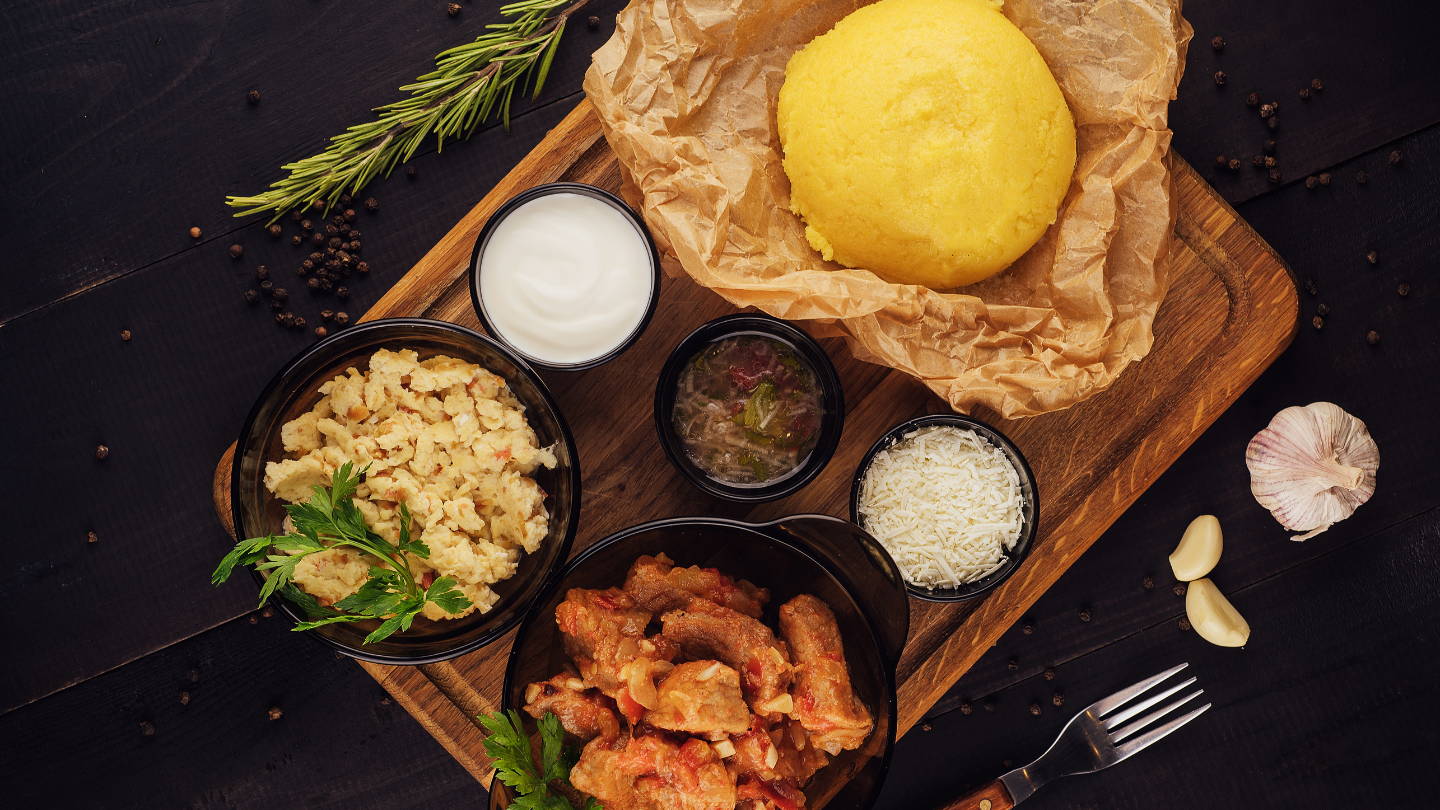
One of the main problems with corn flour is its high glycemic index.
Refined corn flour has a GI of around 70, which puts it in the high glycemic impact category. This is quite similar to white flour or white rice.
That means eating larger quantities of corn flour can sharply raise blood sugar, particularly without protein, fat, and fiber. This spike can be challenging for people with type 2 diabetes, because it can lead to sudden hyperglycemia followed by an energy crash.
Whole corn flour (which includes the bran and germ) has a somewhat lower glycemic index and contains more fiber and micronutrients.
What the research actually measured
Two findings are worth looking at closely, because they complicate the simple story.
In one clinical study, meals made with high-amylose corn flour (richer in resistant starch) produced a 57% lower glucose response and a 42% lower insulin response than meals made with ordinary cornmeal. Worth noting: those meals were arepas, not polenta, and the participants were healthy adults rather than people with diabetes.
The Malawian study cited above is more challenging for the whole-grain assumption. Porridge made from whole maize flour scored a GI of 94, while porridge made from fermented maize grits scored 65. In that study, fermentation lowered the glycemic response far more than wholeness did.
The lesson isn't that whole corn flour is bad. It's that processing and preparation move the needle at least as much as the flour type does, and probably more.
Diabetes, the liver, and the pancreas
When we talk about diabetes, we often forget the important role of the liver and pancreas in regulating blood sugar and in the development of metabolic syndrome.
Interestingly, some research has shown that corn flour (if it's whole and high in resistant starch) may help reduce oxidative stress in the liver and support metabolic health.
A study published in the journal Foods on diabetic rats found that cookies made with corn flour, coconut sugar, and virgin coconut oil lowered blood sugar and reduced malondialdehyde, a marker of oxidative damage.
Of course, such effects haven't been studied enough in humans for us to say corn flour is therapeutic. The potential exists.
Preparing corn flour: what matters if you have diabetes
How you prepare corn flour and what you combine it with can significantly change its effect on blood sugar and metabolism.
Cooked polenta. Simple polenta cooked in water, without added sugar or fat, can have a somewhat smaller glycemic effect, particularly when eaten alongside salad, vegetables, or a source of protein.
Adding resistant starch. Cooked and cooled corn meals made from whole corn, like polenta left to set and then reheated, may increase the proportion of resistant starch. This kind of starch doesn't raise blood sugar to the same degree.
Substituting part of the flour. In recipes like cornbread or pastries, you can combine corn flour with low-glycemic flours (almond, coconut, or wholemeal spelt), lowering the overall glycemic effect of the dish.
Avoid fried polenta and corn snacks. Products like chips, puffs, and baked corn snacks contain refined starch and are often high in fat and salt. This kind of food raises blood sugar and contributes nothing to health.
When polenta usually goes better or worse with diabetes
How much corn flour is safe for people with diabetes?
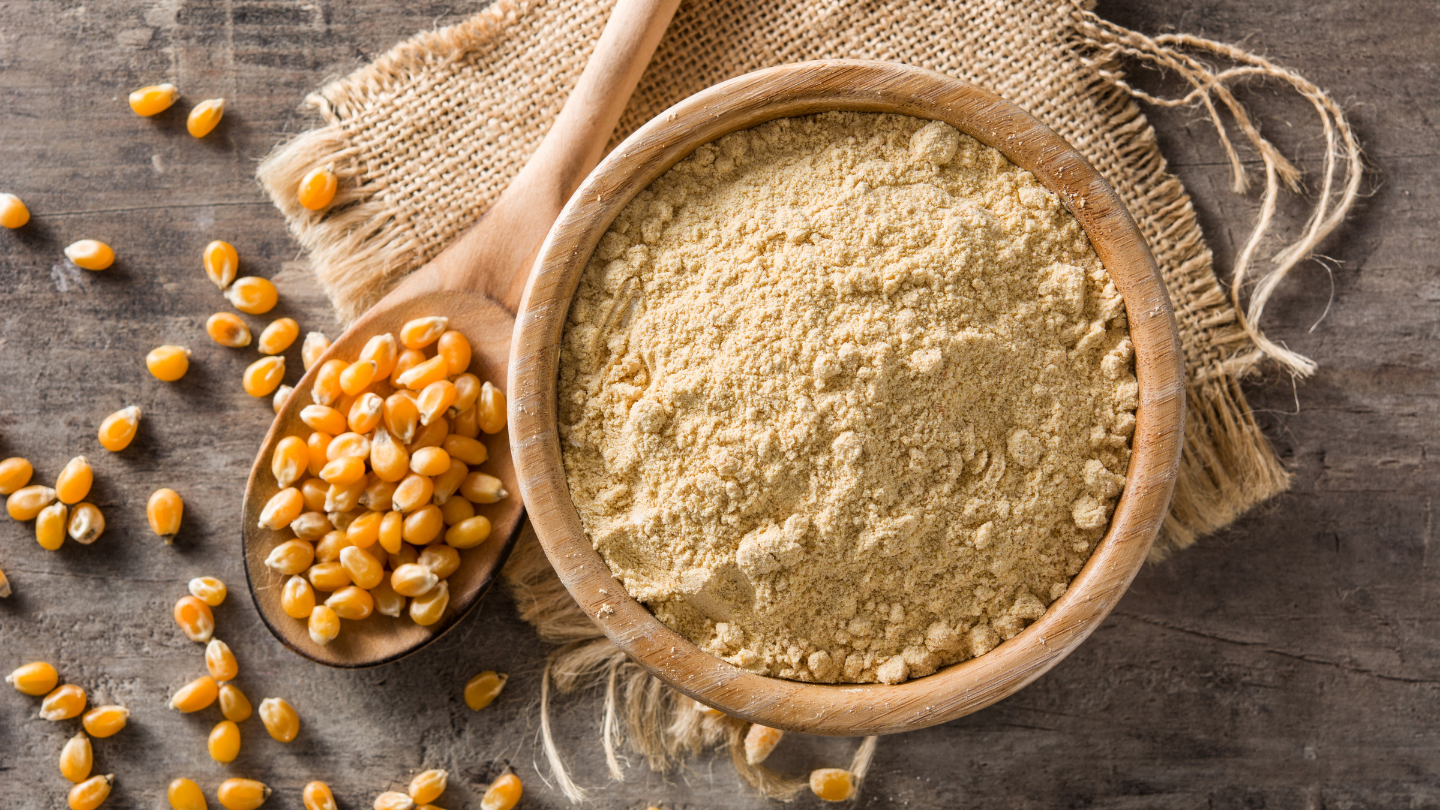
There's no universal measure, because carbohydrate tolerance varies. Most guides recommend up to 1/2 cup of cooked polenta as one carbohydrate portion, containing roughly 15 to 20 g of net carbohydrate.
For people with type 1 diabetes, the additional challenge is that corn flour can raise blood sugar quickly, before insulin has time to act. The recommendation is therefore to:
- Consult your doctor
- Eat corn-based meals with protein and fiber
- Dose insulin in advance (a pre-bolus)
- Monitor blood sugar and use a CGM if available
If you have type 2 diabetes, what matters is that corn flour fits into a plan that includes calorie control and a varied diet. Consulting your doctor or personal nutritionist matters here too.
Is corn flour a good idea if you have diabetes?
Despite the high glycemic index, corn flour doesn't have to be cut from the diet in most cases. The key is how you prepare it, what quantities you use, and what's eaten alongside it.
Whole corn flour, cooled and reheated polenta, and recipes that include good fats, fiber, and protein can help avoid a sharp rise in blood sugar and fit the meal into a diabetes-friendly menu.
Frequently asked questions about corn flour and diabetes

Is corn flour good for diabetes?
It can be an acceptable part of a meal, but it isn't the best choice eaten alone, in a large portion, or in a heavily processed form. It does better as a smaller component of a balanced meal than as the main base of a dish.
Does polenta raise blood sugar quickly?
It can. The glycemic response to corn dishes is often medium to high, and some traditional versions record very high GI values, up to 109 in one study. So how it's prepared and what it's eaten with matters more than the label "natural" or "homemade."
Is the wholegrain version better?
As a rule it's a better choice than the refined version, because whole grains bring more fiber and generally produce a more favourable acute postprandial response than comparable refined versions. Worth knowing, though: in one study of maize porridges, whole maize flour scored a higher GI than fermented maize grits, so processing method can matter more than wholeness. Either way, portion control still applies.
Does cooling polenta help?
It may be useful as an idea, but I'd be cautious here. Cooling starchy food can increase the proportion of resistant starch, though that effect is best confirmed for rice and some other starchy foods. For polenta it's more honest to describe this as a possible benefit rather than a certain fact.
What's a reasonable starting portion?
For many people a smaller portion is the better start, for example around 1/2 cup of cooked polenta, with protein and vegetables. That isn't a universal rule, just a practical starting point after which it makes sense to track glucose and adjust the meal.
Conclusion: corn flour and diabetes come down to preparation, quantity, and context
Corn flour is one of those foods that carries potential and risk at the same time. If you have diabetes, this flour doesn't have to be forbidden, but it should be used wisely.
Choose whole varieties, mind your portions, avoid industrially processed corn snacks, and always combine corn flour with ingredients that slow glucose absorption, like fiber, fat, and protein.
Recommended reading on diabetes
For more on balancing your diet and your blood sugar, here's what else I've researched the same way:


