




.svg)

Cranberries have been studied more and more often in the context of diabetes in recent years.
This small red berry is rich in polyphenols, plant compounds that may act favourably on inflammation. They can also reduce oxidative stress and may even play a role in blunting post-meal blood sugar spikes.
So, are cranberries good for diabetics? You're in the right place, because the answers are below.
Can cranberries help with diabetes?
Research from 2005 to 2025 has shown that certain forms of cranberry (like unsweetened cranberry juice or extract capsules) can have a positive effect on blood sugar levels.
Some research points to a possible positive effect on insulin sensitivity, and even a reduced risk of cardiovascular disease, which is common in people with diabetes.
🫐 Key takeaways on cranberries and diabetes
- Cranberries may help with blood sugar regulation. They can contribute to glycemic control in some people, particularly after meals, thanks to polyphenols that slow carbohydrate absorption.
- Forms without added sugar (capsules or 100% juice) have shown the best results in research.
- Cranberries don't treat diabetes, but they may improve insulin sensitivity and reduce inflammatory markers, which matters for long-term health.
- Don't pick products at random. Read the labels and choose options without hidden sugars.
- Capsules and low-calorie juices have shown the most benefit, though dried cranberries can also be an option if they have no additives.
- Cranberries are only one piece of the puzzle. The foundation remains a balanced diet and movement.
- If you have diabetes, consult your doctor before starting regular consumption.
- Cranberries can be a small but smart ally, particularly against silent inflammation and heart disease risk.
How do cranberries affect blood sugar?
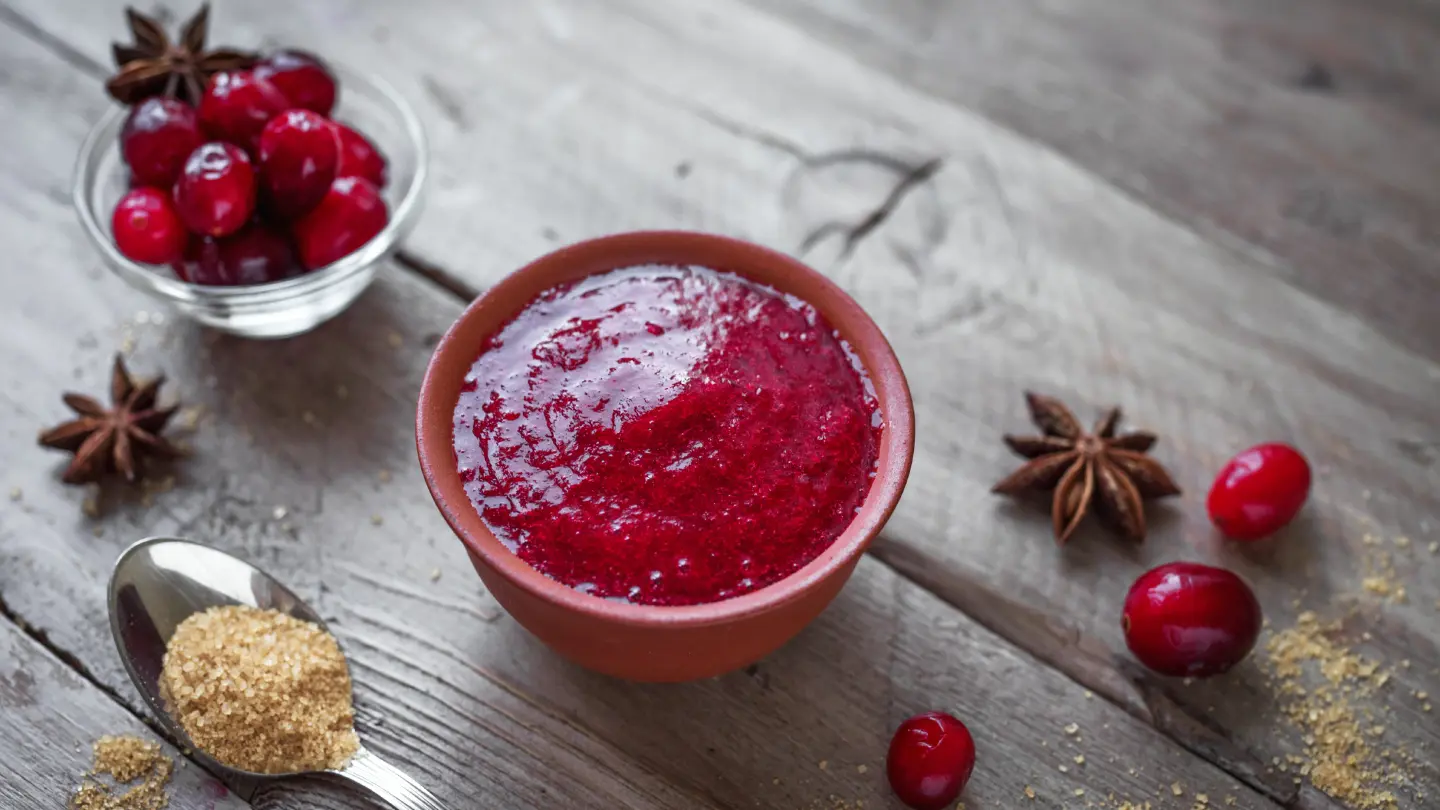
One of the main reasons cranberries attract the attention of nutritionists is their potential to affect blood glucose levels, especially after a meal.
Cranberries are a fruit that naturally contains very little sugar, and they're also rich in polyphenols.
Polyphenols can act as digestive enzyme inhibitors, slowing carbohydrate absorption into the blood and reducing the glycemic response. This can be useful for blood sugar control in people with type 2 diabetes.
What the postprandial studies found
A 2017 randomised crossover trial examined how adding 40 g of dried cranberries to a high-fat breakfast affected blood glucose in adults with type 2 diabetes.
The results showed significantly lower glucose values at two and four hours after the meal compared with the control breakfast without cranberries, with reductions of 16% and 14% respectively. Two details worth knowing: the study used 25 participants and reduced-calorie dried cranberries, not the standard sweetened kind. The researchers found no significant differences in insulin, insulin resistance, lipid profiles, or blood pressure between the two meals.
Similarly, a 2015 randomised trial showed that low-calorie cranberry juice can mildly but significantly lower fasting blood glucose in healthy adults. This suggests that even drinking cranberry in beverage form may hold potential benefits for people whose values are already elevated.
Effects vary depending on which form of cranberry is used.
Cranberry juice with a high sugar content is not good for blood sugar regulation, while cranberry juice is only recommended if it's low-calorie and free of added sugars.
Can cranberries help with insulin resistance?
Beyond their effect on post-meal blood sugar, cranberries may help with insulin resistance, particularly in people with prediabetes and metabolic syndrome.
A 2019 randomised controlled trial found that 8 weeks of consuming a polyphenol-rich cranberry beverage reduced fasting serum insulin and raised HDL cholesterol compared with placebo. In other words, the body responded more efficiently to insulin.
The same 2015 juice trial reported a beneficial effect on insulin resistance (measured by HOMA-IR), though only in participants who started with high baseline values.
Interestingly, the best results came without substantial changes in glucose levels. That suggests cranberry's useful effects also happen behind the scenes, through improvements in the metabolic response.
Worth being honest about the limits. A 2020 pilot trial in 35 adults with obesity and elevated fasting glucose gave 450 ml of low-energy cranberry beverage daily for 8 weeks. Insulin sensitivity was the primary outcome, and the trial was small and exploratory. The evidence here is suggestive rather than settled.
Can cranberries reduce inflammation in the body?
In diabetes, chronic inflammation and oxidative stress are silent drivers of complications. This is where cranberries show additional value.
In the 2015 juice trial, consumption of a low-calorie cranberry juice over 8 weeks significantly reduced C-reactive protein (CRP) compared with placebo, alongside reductions in diastolic blood pressure and fasting triglycerides.
The 2019 beverage trial also found lower fasting CRP after 8 weeks, along with raised nitric oxide and lowered endothelin-1, both markers of blood vessel function. The 2020 pilot recorded changes in oxidative stress markers, particularly among participants with higher baseline inflammation.
This doesn't mean cranberries are a medicine. But in the context of a diet that also targets inflammatory processes, they have a very sensible place.
Are cranberries really good for heart health?

Diabetes often comes bundled with elevated blood lipids and a higher risk of heart disease. Cranberries may offer additional protection.
In a 2008 study, participants with type 2 diabetes who took cranberry extract lowered their LDL cholesterol and improved their overall lipid profile, with no negative effect on blood sugar levels.
Other research, like the 2019 beverage trial, has shown a rise in HDL cholesterol and improved vascular markers such as increased nitric oxide.
For people with diabetes, this means potential help in preventing cardiovascular complications, without needing additional medication.
Which form of cranberry is best for diabetics?
Cranberry is available in several forms, but it's important to understand that not all of them are equally useful for health or for maintaining stable blood sugar levels.
Is cranberry juice good for diabetics?
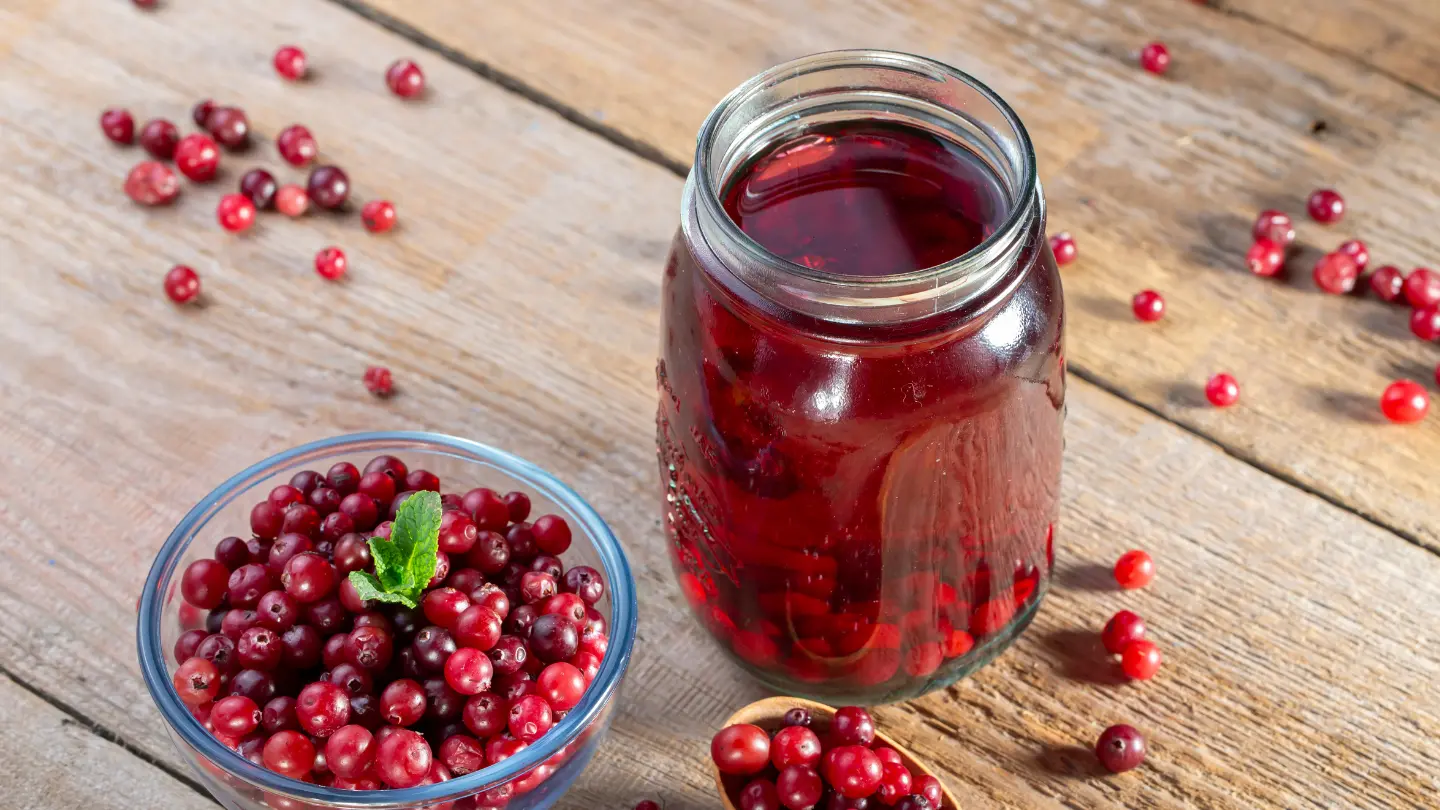
Cranberry juice can have a positive effect, but only if it has no added sugar. It can be a choice for people with diabetes, though it's important to note that standard cranberry juices in shops often contain 25 to 30 g of sugar per glass.
For this reason, cranberry juice is only recommended if it's low-calorie or sugar-free.
Are dried cranberries good for diabetics?
Dried cranberries are popular too, but there's a problem here as well. Dried cranberries are often sweetened to make them tastier. If you choose dried cranberries, look for ones with no added sugar and use them to prepare smaller snacks, alongside Greek yogurt or nuts, for example.
The postprandial research supports this. The 2017 trial that found reduced glucose spikes used reduced-calorie dried cranberries, not the standard sweetened version.
Cranberry supplements
Capsules and extracts have shown considerable potential in studies. Cranberry may have anti-inflammatory effects and help reduce the risk of metabolic complications. Cranberries also contain polyphenols such as anthocyanins, which may have a positive effect on insulin sensitivity.
If you find it hard to eat cranberries daily in fresh or dried form, cranberry supplements can be an option for building these compounds into a daily routine simply.
Frequently asked questions about cranberries and diabetes
What's a realistic cranberry portion with diabetes?
If you choose fresh or frozen cranberries, a realistic portion is roughly ¾ to 1 cup. With juice the portion is much smaller (around ⅓ to ½ cup), and with dried cranberries, 2 tablespoons already deliver about 15 g of carbohydrate.
How often does it make sense to eat cranberries with diabetes?
You can eat cranberries regularly, but in smaller portions and as part of your overall carbohydrate plan. More important than frequency is that the form has no added sugar and that you count them as a carbohydrate source, rather than as a food you can graze on freely.
What's the best way to combine cranberries in a meal?
The most practical approach is to build them into a meal or breakfast, alongside Greek yogurt, cottage cheese, nuts, or oats, rather than eating them alone in a larger amount. That way they're easier to account for, and the fruit stays part of a balanced carbohydrate intake.
What exactly should I check on the label?
Look first at total carbohydrates, not just the "of which sugars" line, and check the figures per serving and per 100 g. Then compare the declared serving with your actual portion, and scan the ingredients for added sugar or syrups.
Are fresh or frozen cranberries a better choice than juice?
Generally yes, because fresh and frozen varieties without added sugar are the best options, while juice portions are small and less filling. Juice can have a place in the diet, but only if it has no added sugar and in a genuinely small amount.
Can diabetics drink cranberry juice every day?
They can, but that isn't automatically the best daily choice, because even unsweetened juice can contain a fair amount of natural sugar, and sweetened versions contain more. If you drink it, choose 100% juice with no added sugar and stick to a small portion rather than a full glass.
Can cranberries affect medications or supplements?
Yes, larger amounts of cranberry products can affect warfarin, so in that case they shouldn't be introduced on your own initiative. Also, large amounts over a long period can raise the risk of kidney stones, particularly in susceptible people.
Are cranberries good for diabetics overall?
Cranberries can be a good choice for people with diabetes, particularly in forms without added sugar. Studies have found reduced post-meal glucose spikes, lower inflammatory markers, and improved lipid profiles. Cranberries don't treat diabetes, though, and the strongest results have come from low-calorie juice, capsules, and reduced-sugar dried cranberries rather than standard sweetened products.
Cranberries for diabetics: a small addition with a potentially large effect
Although cranberries don't treat diabetes, they may help with blood sugar regulation, improved insulin sensitivity, and reduced chronic inflammation. Some forms of cranberry juice can also contribute to better lipid balance and help reduce the risk of cardiovascular complications from diabetes.
The key is the form and the amount.
Don't forget, though, that the balance of your overall diet and training is absolutely irreplaceable. No single food is a magic solution, just a small piece of a large puzzle.
If you're looking for a diabetes-friendly choice that's simple, natural, and supported by evidence, cranberries are worth considering. Not as a miracle cure, but as a small everyday ally for your health.
Recommended reading on diabetes
For more on balancing your diet and your blood sugar, here's what else I've researched the same way:


