




.svg)

Over the last five or six years, grains have become the thing people cut first when they start losing weight (or, more accurately, when they want to lose weight fast).
I understand why. Bread, pasta, cereal, all of it somehow fell into the category of carbs that make you gain weight. But the reality is that grains in themselves are neither good nor bad for weight loss. They're a tool.
Fit them in wisely and they can actually help you stay in a calorie deficit more easily. They can keep you full, give a meal structure, and save you from snacking. And yes, oats are on this list for a reason.
Realistic takeaways worth remembering
Here's the truth without the drama:
- Weight loss still comes down to a calorie deficit and a good eating plan. Grains aren't a magic fat burner.
- Whole grains are often the better choice because they have more fiber and hold fullness better (but they're not a magic wand). Studies often show that whole grains don't make a huge difference to weight on their own, though they can have small benefits.
- The biggest problem in practice isn't the grains, it's the portions and the add-ons. Fitness granola plus honey plus banana plus peanut butter is a bowl that easily hits 700 to 900 kcal before you blink.
- If you want grains to work for you, the rule is simple: grains plus protein plus fiber plus a little fat equals fullness.
How grains actually help with weight loss
They don't help by melting fat. They help by keeping you full (more fiber and more volume) and by giving your meals a routine, so there's less chance you start snacking along the way. On top of that, they make calorie planning easier when you have a few reliable meals, and they naturally raise your fiber intake, which most people are genuinely short on.
In its more recent guidelines, the WHO stresses the quality of carbohydrates and recommends that intake come primarily from whole grains, vegetables, fruits, and pulses, with at least 25 g of naturally occurring fiber a day from food.
What are the best grains for weight loss?
There's no grain that takes off weight by itself. But there are grains that make weight loss seriously easier. They hold fullness better, their portions are easier to control, and they simply fit into a weight-loss eating plan.
Below is a whole grain foods list of the options that make the most sense, especially if you want a steady breakfast and meals that don't leave you hungry two hours later.
Oats

Oats are a classic for good reason. Oats contain beta-glucan, a soluble fiber that in research can lower the glycemic and insulin response to a meal, which often means steadier energy and fewer hunger crashes. That's also useful for people with diabetes who are watching their weight.
The easiest ways to work them in: as a simple breakfast (oatmeal or porridge), as a base for lighter savory meals (savory oats with eggs and vegetables), and as part of an eating plan, since they're easy to portion and combine.
If you don't love the taste, cover it. Don't eat them plain. Add Greek yogurt, skyr, or whey, plus fruit and cinnamon.
Barley
Barley is a top grain if you like spoonable meals and want something that keeps you full. It also has beta-glucan, and studies show a favorable effect on post-meal blood sugar.
It's best used in stews and soups, in meal-prep bowls instead of rice, and in salads as a more filling base.
Rye (rye bread and rye porridge)
Rye is interesting because people often notice stronger fullness compared with white bread. There are controlled studies where rye breakfasts reduced hunger through the morning compared with wheat.
In practice: 1 to 2 slices of rye bread plus eggs or cottage cheese plus vegetables, or rye porridge.
Buckwheat
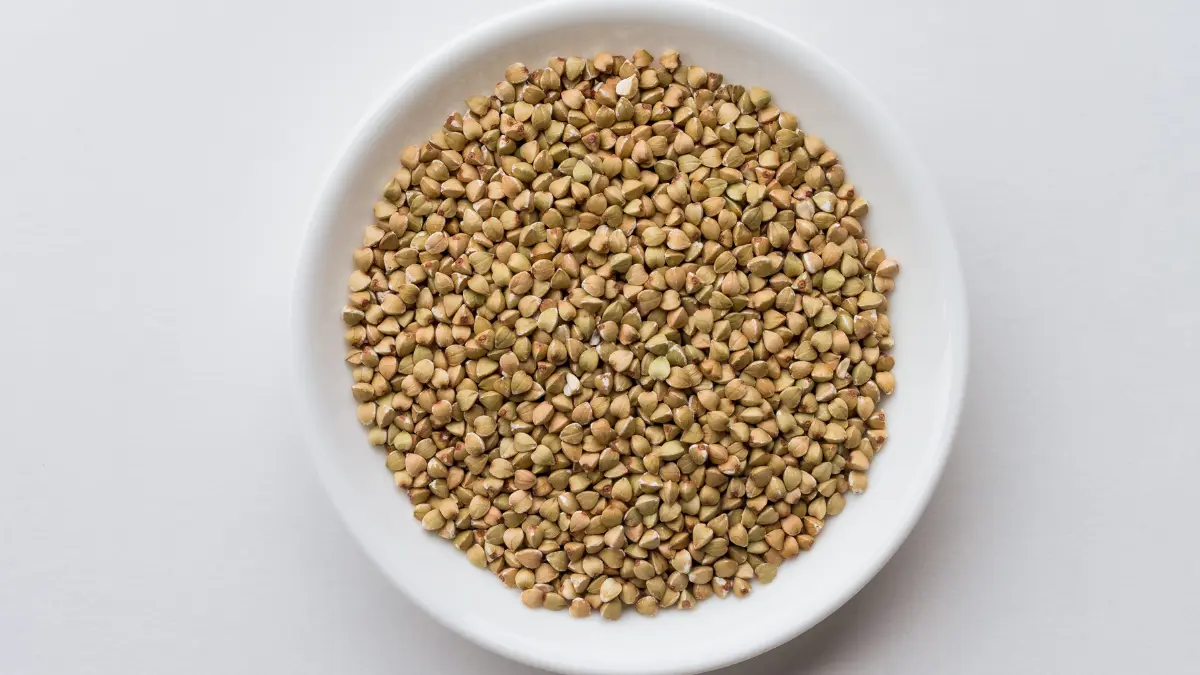
Buckwheat is a pseudocereal (in practice people count it as a grain) and it's great for anyone who wants something different from wheat.
For weight loss it's good because it has a nice texture and volume when cooked, and it goes easily into savory dishes, so a meal ends up quite filling.
Ideas: buckwheat plus chicken plus salad, or buckwheat pancakes with cottage cheese.
Bulgur
Bulgur is a good option with a fairly high protein content. Don't put too much faith in the headlines calling it a quick option, because honestly I've never managed to cook it in under an hour.
It's made from wheat, but it's often a better choice than white pasta because it's less processed and easy to build into a plate with plenty of vegetables and protein.
It works best in salads (bulgur plus tuna or chicken plus vegetables) and in meals for work (meal prep).
Brown rice
Brown rice has more fiber than white and can be a good base when you want a clean meal.
That said, the difference isn't dramatic if the portions get too big. Rice is rice, and the calories add up easily. The trick: fill half your plate with vegetables, and only then add the rice.
Millet
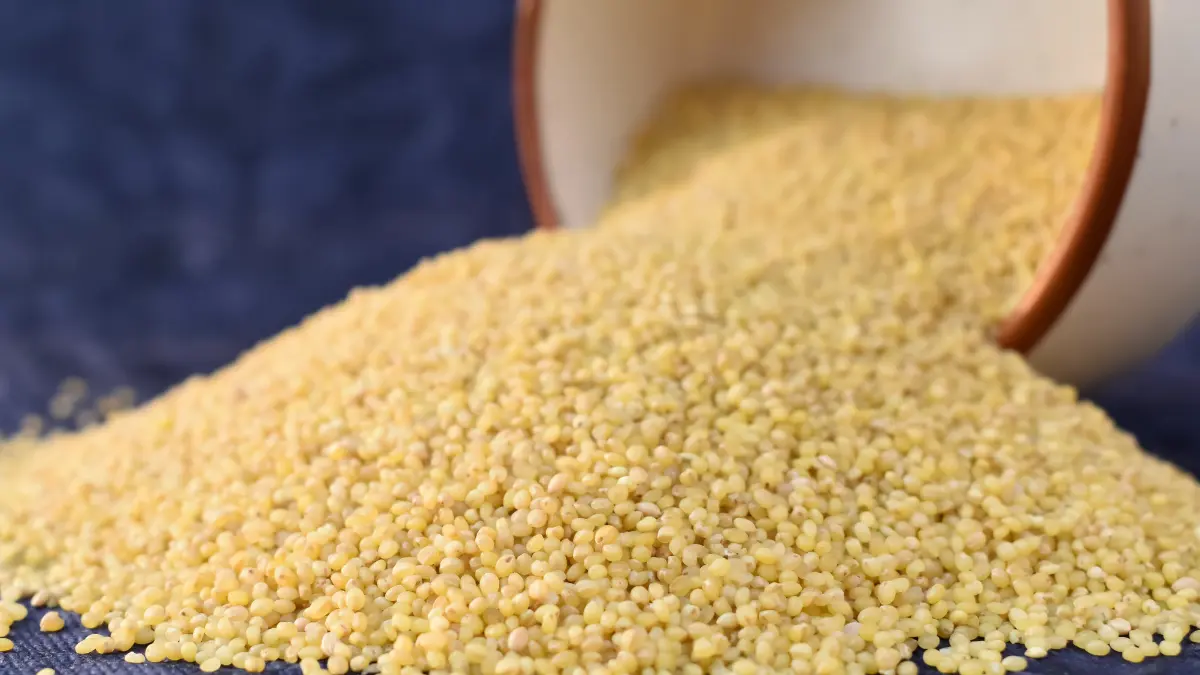
Millet is the grain people often forget, and it's actually excellent when you want something light and a little different from rice or oats.
It's good for digestion and very handy for a weight-loss breakfast, since it cooks easily and works in both savory and sweet versions. If you want a simple breakfast, millet porridge with yogurt and fruit can be a great change.
Quinoa
Quinoa is popular because it's practical and nutritionally stronger than most classic grains. Quinoa is a pseudocereal, and people like it because it has somewhat more protein than most traditional grains.
For weight loss it's good when you want a one-bowl-and-done meal and combine it with plenty of vegetables plus a protein source. If you want one bowl and some peace, go with quinoa plus chicken plus salad plus a little olive oil and lemon.
Spelt and whole wheat
Spelt is great when you want something filling but don't want the same rice and chicken every single day. It has that slightly nutty flavor and gives the feeling of a fuller meal, especially in salads and bowl combinations.
It's best combined with vegetables, lean protein, and a little fat. Then it becomes a meal that keeps you full without needing dessert 20 minutes later.
This is also a good place for a word on the benefits of whole wheat. Compared with refined wheat, whole wheat keeps the bran and germ, which is where most of the fiber, B vitamins, and minerals live. That extra fiber is what slows digestion, steadies appetite, and makes whole wheat the more filling choice per calorie.
The same logic applies across whole grain foods generally, which is exactly why they sit at the center of this list.
Cornmeal (polenta)
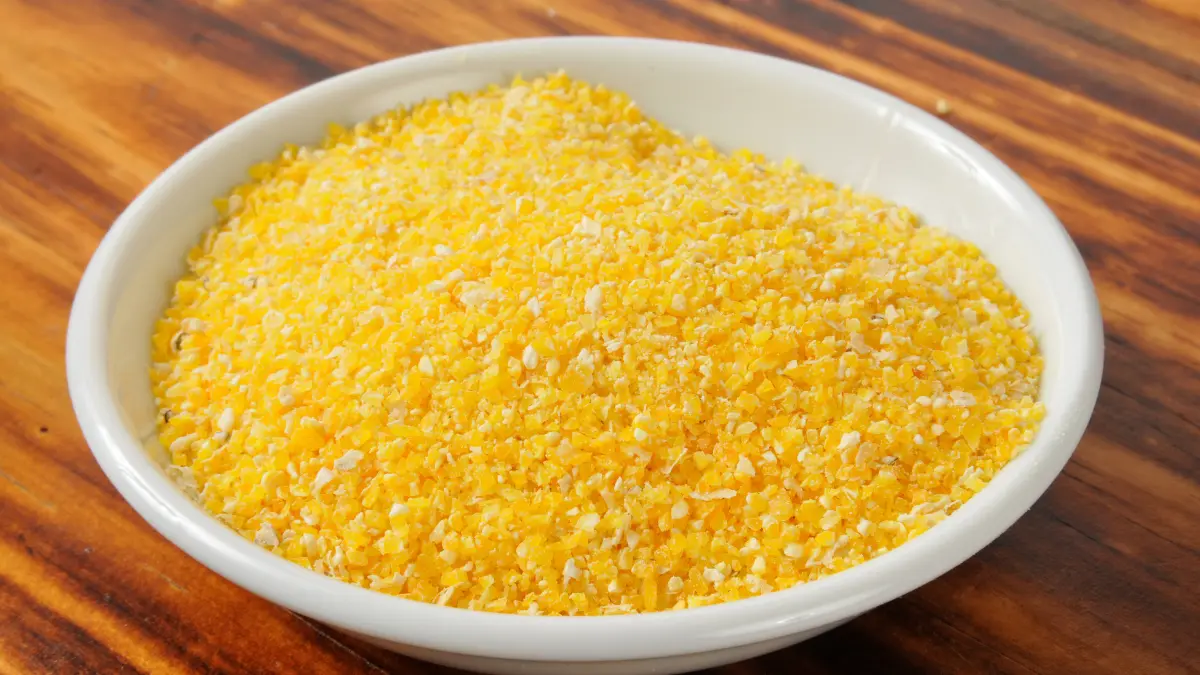
Polenta can be excellent, especially in Balkan cooking. Just one small note: it easily turns into a calorie bomb when you add a lot of cheese, butter, and cream.
If you want to use it for weight loss, keep the portion moderate and combine it with protein (chicken, fish, eggs) and salad. If you're interested, I cover corn flour and diabetes in a separate article.
How many grains make sense while losing weight?
The biggest problem with grains during weight loss isn't that you eat them, it's how much you unconsciously pile on with everything else. Especially when rice, pasta, or bulgur is "just a side," and the portion ends up being half the plate.
So they are calorie-dense, and you have to be careful with the amount. The good news: you don't have to weigh anything to get the portion roughly right.
A realistic serving that works for most people
A standard serving of grains is often taken as ½ cup of cooked rice, pasta, or cooked grain (roughly one serving in the guidelines).
The Australian Dietary Guidelines give a similar frame, putting a standard serve at about ½ cup of cooked grain (around 75 to 120 g, depending on the grain).
So if you want to lose weight and eat grains, half a cup cooked is a great starting point. Naturally, this also depends on your target daily calorie intake and your current weight.
The no-weighing rule that actually works
The rule is simple, and it changes depending on how you're eating.
For a spoonable meal (soup or stew), grains are fine, but keep them inside as an addition, not so the dish becomes a pot of grain porridge. In other words, add a little barley, but let vegetables and protein keep the main role.
For a plate, aim for grains to be about a quarter of the plate. This is exactly what Harvard's Healthy Eating Plate suggests for whole grains. Let the rest go to vegetables and protein, since that helps fullness the most.
For breakfast, oats are top, but here's the key: oats aren't the problem, the add-ons are. A typical serving of oats is around 40 g dry (often cited as the standard).
If you thoughtlessly eyeball in honey, granola, peanut butter, and chocolate, you've made a dessert, not a weight-loss breakfast.
A quick test: did you overdo the grains in a meal?
If after a meal you feel like you need something sweet, or you're hungry an hour and a half later, or it feels like you ate a lot but you're not full, that's often a sign the meal was too much grain, too little protein, and too little volume from vegetables.
Weight loss goes much better when it looks like this: grains (a little) plus protein (a real amount) plus vegetables (more). That's the combination that keeps you calm and not searching the kitchen after lunch.
Do fitness cereals help with weight loss?
Not automatically, just because the packaging looks the part.
Many have a fair amount of sugar, little protein, and don't hold fullness for long. Before buying, check the label, especially the calories, sugar, fiber, and serving size. Often plain oats are the better and simpler choice.
The best grains for weight loss are the ones that keep you full

The best grains for weight loss aren't the ones with some kind of magic. They're the ones that help you eat normally, feel full, not cycle through the same two options, and stay in a deficit without stress.
And if you have to pick one that's the most reliable, oats are genuinely among the top choices, as long as you pair them smartly with protein and don't turn them into dessert.
Recommended reading
For more in the same practical style:
- Is running good for weight loss?
- Cayenne pepper for weight loss
- 10 best tricks for weight loss
- Coconut for weight loss
Frequently asked questions about grains for weight loss
Are grains good for weight loss?
Yes, grains can be good for weight loss if you fit them into a calorie deficit and watch the portion. They don't melt fat on their own, but they can help make a meal more filling and steadier. The best choices are mostly whole grains, because they have more fiber and hold fullness better.
What are the best grains for weight loss?
The best grains for weight loss are the ones that keep you full for a long time and fit easily into a normal meal. Oats, barley, rye, buckwheat, bulgur, brown rice, millet, quinoa, spelt, and polenta can all make sense. The most important thing is to combine them with protein, vegetables, and a little healthy fat.
Are oats good for weight loss?
Yes, oats are one of the best choices if you want a simple weight-loss breakfast. They contain fiber, especially beta-glucan, and combine easily with proteins like Greek yogurt, skyr, or whey protein. Just watch the add-ons, because oats with honey, granola, peanut butter, and chocolate easily become a calorie bomb.
Do grains make you gain weight?
Grains don't make you gain weight on their own. A surplus of calories across the day does, whether it comes from grains, fat, sweets, or healthy foods. The problem usually starts when portions get too big or when calorie-dense add-ons like oil, cheese, butter, honey, granola, or nut spreads get piled on.
How many grains should you eat while losing weight?
A good starting measure is about half a cup of cooked grain per meal, or roughly a quarter of the plate. It isn't a strict rule, but it helps keep the portion reasonable. It's better to fill the rest of the plate with vegetables and protein, because that combination holds fullness much better and makes a calorie deficit easier.
Are whole grains better than refined grains?
In most cases yes, whole grains are the better choice because they have more fiber, minerals, and digest more slowly. That can help with fullness and a steadier appetite. Still, whole grains aren't magic either. Eat them in oversized portions or with lots of calorie-dense add-ons, and you can still easily go over your daily calories.
Is rice good for weight loss?
Rice can be part of a weight-loss diet, but you have to watch the amount. Brown rice has a little more fiber than white, but the difference won't save a meal if the portion is too big. It's best to treat rice as a side, not the main thing on the plate, and to combine it with plenty of vegetables and a real protein source.
Is polenta good for weight loss?
Polenta can be good for weight loss if the portion is moderate and you don't turn it into a heavy meal with lots of cheese, butter, cream, or oil. On its own it can be a practical base, especially with eggs, fish, chicken, or salad. The problem isn't the polenta, it's the add-ons that quickly raise the calories.
Are fitness cereals good for weight loss?
Fitness cereals aren't automatically good for weight loss just because they look that way on the box. Many have quite a bit of sugar, little protein, and don't hold fullness for long. Before buying, check the label, especially calories, sugar, fiber, and the serving size. Plain oats are often the better and simpler choice.
What should you add to grains so they hold fullness better?
It's best to combine grains with protein, fiber, and a little fat. Examples are oats with Greek yogurt and fruit, rye bread with eggs and vegetables, barley in a stew with meat or legumes, or quinoa with chicken and salad. That way the meal moves through digestion more slowly and you're less likely to get hungry an hour later.
Do you need to cut out bread and grains to lose weight?
No, you don't have to cut out bread and grains to lose weight. Weight loss depends on total calorie intake, not on one food group. If grains help you have normal, filling, sustainable meals, they can stay in your diet. Just choose better options and keep the portion under control.
What's the bottom line on grains for weight loss?
The best grains for weight loss aren't magic, they're practical. Oats, barley, rye, buckwheat, bulgur, brown rice, millet, quinoa, spelt, and polenta can all help if they keep you full and you eat them in a reasonable amount. The real rule is simple: a little grain, a real amount of protein, plenty of vegetables, and a meal you can repeat without stress.


