


12-Minute Core Workout: Easy Exercises at Home
Try a quick and intense workout to strengthen your core muscles at home. Short, effective, and perfect as a warm-up or stand-alone workout!

Jump into a 12-minute core workout that you can do at home. The training is short but intense and effective. It is designed to strengthen deep core muscles and you can use it as a pre-workout warm-up for the lower body or as a stand-alone workout. It is perfect for those who want to activate the core quickly and efficiently.


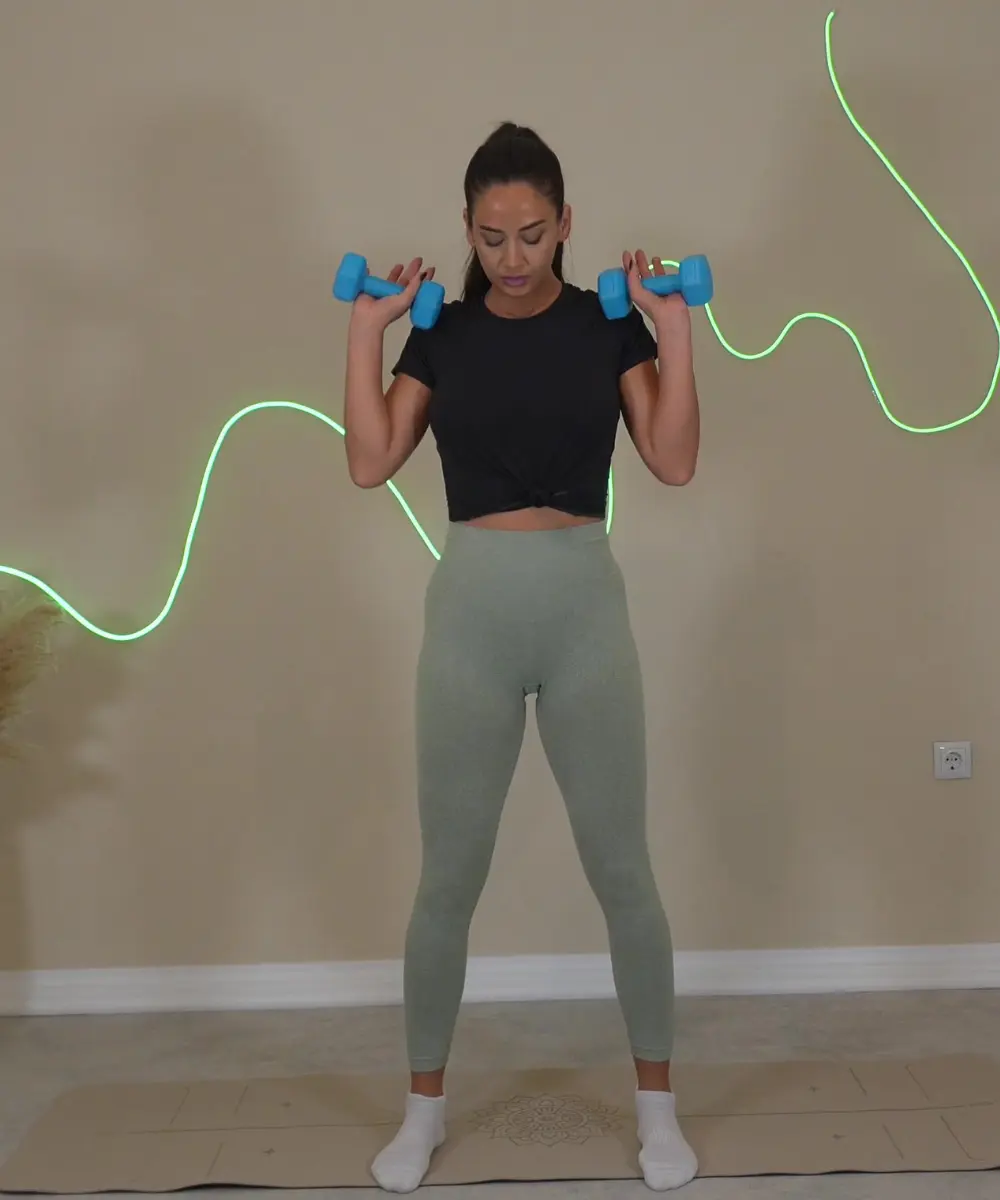
Welcome to my 12-minute ab workout. It's short, intense, and designed to help you build a stronger core from home.
We’ll follow a follow-along format, going through each exercise step by step together. You can use it as a quick warm-up before your main workout or as a stand-alone core routine.
If you enjoy the video and this educational guide, leave a like and subscribe to BlissFit by Antonia. Drop a comment to tell me how you liked the workout and whether you’ll be adding it to your routine — your feedback and support really help me keep creating free content for you!
Why Home Core Workout Matters
Your core plays a role in almost everything you do — from walking and standing up to lifting weights or sprinting.
Yet, it’s one of the most overlooked areas in everyday life.
Your abdominal muscles, along with other core muscles, support your spine, improve posture, and help prevent back pain.
Research backs this up. According to this piece in the Strength and Conditioning Journal, a strong core is linked to better athletic performance and fewer injuries. It also helps the body recover faster from spinal or pelvic-related issues.
Another study published in the Journal of Strength and Conditioning Research found that core stability training improves how your body transfers force between your upper and lower body — making every movement more efficient.
Core training benefits include
- Better posture and spinal alignment
- Lower risk of injuries in daily life and workouts
- Improved stability and movement control
A strong core isn’t built in a day, but by making core work part of your weekly routine, you’re building the foundation for a healthier, more functional body.
So no, it’s not just about getting a flat stomach. Your abs do much more than look good. They’re essential for balance, strength, and injury prevention.
What Science Says About Core Training
Core training isn’t just doing endless crunches. Sports health research shows that the best results come from combining dynamic and static exercises that activate your entire core, not just the surface muscles.
Moves like planks, hollow holds, and hanging leg raises work the deeper layers of the core and build real, functional strength.
Are crunches enough? The short answer — not really. While they can be part of your workout, focusing only on crunches won’t give you a strong or stable midsection.
Dynamic exercises like medicine ball slams or plank variations engage the whole core and mimic real-life movement patterns.
Progression also matters. If you can hold a plank for 30 seconds, try lifting one leg next time or adding a small weight. That’s how you keep improving.
Great exercises for your abs
- Plank: One of the best static moves to engage the entire core.
- Dead bug: Safe and effective for targeting deep core muscles.
- Leg raises: Great for the lower abs.
- Ab wheel rollouts: A challenging move that lights up your whole midsection.
Short, focused sessions (like this 12-minute routine) can be just as effective as long gym workouts. What counts is consistency and form.
If you want to spice things up, you can also try this home reformer pilates routine! It's heavily core-focused.
Common Myths About Core Workouts
There are a lot of myths floating around about ab training, and some can be downright discouraging. Let’s clear up the big ones.
Myth #1: “Crunches make your stomach flat.”
Crunches strengthen your core, but they don’t burn belly fat. Fat loss happens through a calorie deficit — a mix of smart nutrition and regular activity.
Targeted fat loss (burning fat from one area) is largely a myth.
Everyone’s body stores and loses fat differently. A 2019 PubMed Central study found that fat distribution is highly individual and influenced by genetics.
In short: you can’t control where you lose fat, but you can control your consistency.
Even elite athletes show that muscle use doesn’t equal fat loss in that area — stronger muscles don’t necessarily mean less fat around them.
Myth #2: “You need to do hundreds of crunches every day.”
Quality over quantity, always.
Instead of doing endless reps, focus on proper form and variety. Mix in planks, dead bugs, or Pilates-inspired core exercises.
If you’re more advanced, you can also activate your core through compound movements — think squats, push-ups, or overhead presses. The key is learning to engage your abs consciously, not just during ab workouts.
Myth #3: “Only ab exercises strengthen your core.”
Your core includes much more than just your abs. It’s a network of muscles across your back, pelvis, and diaphragm.
That’s why a well-rounded core workout should include side planks, hollow holds, or rotational moves.
Focusing only on abs can create imbalances that actually increase your risk of injury.
How to Train Your Core the Right Way
A good ab workout should combine static, dynamic, and functional exercises that target all parts of the core.
Here’s how to optimize your training:
- Balance static and dynamic work: Planks build endurance and stability; dynamic moves like leg raises add intensity.
- Include functional movements: Try standing oblique crunches or knee drives from a high plank — they mimic real-world movement.
- Adjust to your level: Beginners can start with dead bugs and side planks; advanced exercisers can add weights or harder variations.
- Don’t neglect the lower abs: Hanging leg raises are great for this area.
- Keep your form clean: Maintain a neutral spine and avoid neck strain.
- Be consistent, not obsessive: Two to three times per week is plenty — your core also gets a workout during other training and cardio sessions.
Should You Train Abs Separately?
Your abs work during almost everything — lifting, running, even walking. So you don’t need a separate ab workout every day, but adding a short, focused session can make a big difference.
For example, doing a plank or two before your strength workout can help engage your core and improve balance.
From working with clients, I’ve noticed something interesting: People who train their abs regularly tend to activate their core more effectively during all other exercises — which means fewer injuries and better form.
And for anyone with a sedentary lifestyle, core training is essential for posture and spine health.
A strong core doesn’t just protect your body — it boosts confidence, improves strength across the board, and creates that amazing feeling of control during workouts.
Ultimately, the best results come from a mix of strength training, cardio, and functional movement. That combination keeps your body strong, balanced, and ready for anything — whether you’re at the gym or just living your life.





.svg)
